
Concorde at 50: How Supersonic Travel Changed the Atlantic Crossing
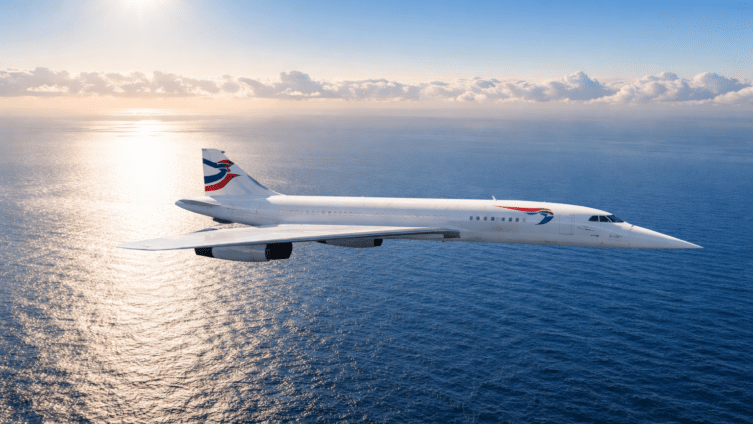
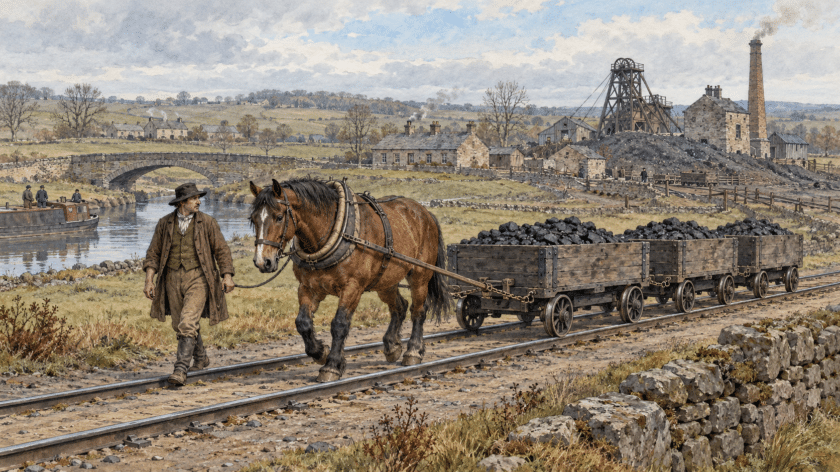
For centuries, the journey across the Atlantic was a test of endurance. Our ancestors boarded wooden sailing ships for month-long voyages, and later, great iron steamers that reduced the trip to a week of salt spray and engine hum. But 50 years ago today, on January 21, 1976, the world witnessed a transformation that made the ocean feel far smaller.
Search billions of historical records
Uncover your family story through historical records


At exactly 11:40 A.M., two sleek, needle-nosed aircraft took to the skies. One departed London for Bahrain; the other left Paris for Rio de Janeiro. It was the start of commercial supersonic travel and the beginning of the Concorde era.
Key takeaways on Concorde flights and genealogy
- A leap in supersonic speed: Launched 50 years ago, the Concorde revolutionized travel by flying at Mach 2.0. This allowed passengers to cross the Atlantic in under four hours, effectively “beating the clock” through time zones.
- Symbol of international harmony: Named for the French word for “agreement,” the aircraft represented a historic engineering partnership between Great Britain and France, proving that collaborative international efforts could achieve unprecedented technological milestones in aviation.
- Evolution of global migration: The Concorde era marked the pinnacle of a long journey from month-long sailing voyages to rapid jet travel, shifting the human perception of distance and making global reunions feel possible.
- Modern genealogical resources: While supersonic travel feels like contemporary history, the era produced vital documentation. Researchers can now use flight manifests and passenger lists to pinpoint the exact moments their ancestors crossed borders.
A marvel of Concord
The Concorde was a symbol of what could be achieved when nations worked together. Its name, meaning “agreement” or “harmony,” reflected the partnership between Great Britain and France to build the world’s first supersonic passenger transport (SST).
While early routes connected Europe with the Middle East and South America, it was the transatlantic route to New York and Washington, D.C., that truly captured the world’s imagination. Flying at Mach 2.0, about twice the speed of sound, the Concorde could cross from London to New York in under three and a half hours. Thanks to the time zone difference, passengers sometimes arrived in the U.S. “before” they had left Europe, at least by the clock.
How transatlantic migration evolved
For many families, the transatlantic crossing is a pivotal chapter in the story of a family tree. It is the moment relatives left behind one life and started another.
In the 19th century, that crossing was documented in cramped, handwritten manifests from steerage passengers. By the mid-20th century, travel increasingly shifted to propeller planes and early jets, and documentation changed with it. The “how” of migration evolved from ocean liner to runway, but the “why” often stayed the same: opportunity, safety, reunion, and hope.
The Concorde represented the most dramatic expression of that evolution. Although it was a luxury reserved for the few, it changed how people thought about distance and time. For families separated by an ocean, faster travel made visits and reunions feel more possible than ever.
How to find your jet-age ancestors
The Concorde era can feel like modern history, but its surrounding decades are increasingly important for genealogy research. If your parents or grandparents moved between countries in the 1950s, 60s, or 70s, there may be travel documentation that helps confirm when they arrived, where they came from, and how they described themselves at the time.
To explore this chapter of your family’s story, start by searching historical records for travel-related documents, then narrow results using details you already know, such as approximate year, destination city, or a relative’s place of birth. If you are not sure where to begin, focus on records that include arrival details and use them to build a timeline you can compare against family stories, photos, and addresses.
MyHeritage also offers passenger lists, which can help trace movement across borders and oceans over time.
Many MyHeritage users are surprised to find parents or grandparents listed on flight-related or post-war travel documentation. These records often include:
- Port of departure and arrival: Tracing the path of a modern migration
- Occupation and nationality: A snapshot of a relative’s life at the time of travel
- Flight numbers or voyage details: Clues that can help you identify the specific journey
A legacy in the clouds
The Concorde retired in 2003, and today it sits in museums as an icon of a bygone era. Yet its legacy remains. Whether relatives arrived via a grueling 40-day trek on a schooner or a 3-hour sprint at supersonic speed, the spirit of the journey is familiar across generations: bridging the gap between where a family was and where it wanted to be.
As MyHeritage marks 50 years since the start of Concorde’s commercial service, MyHeritage invites you to explore your own family’s migration story. Did your relatives cross the Atlantic under sail, a plume of steam, or the roar of a jet engine?
FAQs on jet-era genealogy
What specific information do 20th-century flight records provide?
Depending on the collection, jet-age travel documentation may include arrival dates, departure and arrival locations, nationality, occupation, and travel document details. Even when flight numbers are not included, these records can help build a clearer timeline of a relative’s movements.
Why is the Concorde era significant for family history?
The Concorde era highlights how dramatically travel time changed within a single century. For many families, that shift made visits, reunions, and cross-border moves more practical. Documenting a relative’s journey during this period can add context to when a move happened, where they traveled, and what it meant for the family.
Where should I start if I do not have a flight number?
Begin with the approximate year of travel and the destination city, such as New York, Washington, D.C., London, or Paris. Then cross-reference family stories with arrival or immigration documentation. Supporting evidence like passport stamps, dated photos, and addresses can help narrow the travel window.
Can I find records for ancestors who did not travel in luxury?
Yes. The Concorde was exceptional, but the same decades saw major growth in standard commercial air travel. MyHeritage collections can include travel and migration documentation for everyday travelers, and those records can still be central to understanding your family’s story. Yan Sandler is a passionate genealogy enthusiast, specializing in Eastern European and Jewish heritage. He enjoys helping others to uncover their roots, turning complex archival fragments into meaningful family stories for researchers worldwide.
Comments
No comments yet. Be the first!